
Maintenance Tips to Extend the Life of Collapsible Bulk Containers
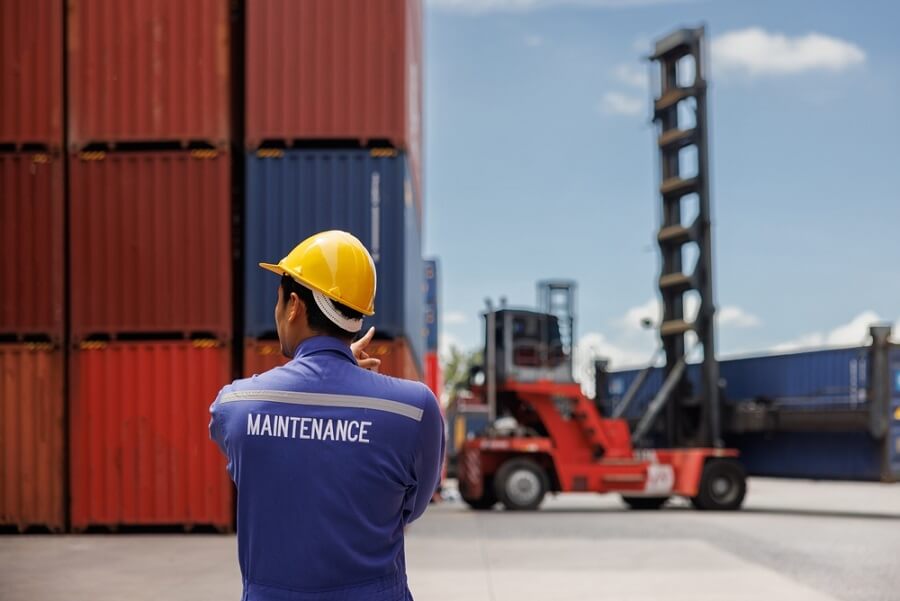
Storage systems play a strong role in smooth supply movement across warehouses, factories, and distribution systems. Many companies depend on collapsible bulk containers because they save space, reduce handling effort, and support repeated usage across multiple cycles. Proper care keeps storage equipment reliable for longer periods while preventing damage that interrupts operations. Organized inspection routines, careful loading practices, and regular cleaning methods help maintain structural strength during heavy usage. When teams follow consistent procedures, containers stay dependable for repeated transport tasks, lowering replacement costs while improving efficiency across supply handling activities.
Regular Inspection Practices
Frequent inspection aids teams in identifying cracks, loose joints, worn hinges, bent frames, or weak locking points early, averting small defects from becoming greater structural problems that lessendependability during storage and movement.
Controlled Storage Environment
Correct storage conditions prevent structural stress caused by stacked pressure, humidity exposure, and prolonged sunlight contact, helping materials maintain strength while supporting safe folding mechanisms during repeated use.
Careful Handling During Movement
Gentle handling during lifting, stacking, and loading reduces impact pressure on structural walls, preventing sudden deformation while protecting hinges that support smooth folding during operational cycles.
Load Limit Awareness
Following the recommended load capacity prevents strain on walls, base panels, and corner supports, helping storage structures maintain shape while avoiding early fatigue during continuous warehouse operations.
Staff Awareness Programs
Training programs teach workers correct lifting posture, stacking order, and folding techniques, helping reduce accidental stress while improving operational efficiency during daily handling tasks.
Daily Handling Checklist
Simple daily routines keep storage equipment reliable during continuous operations, supporting long operational duration with fewer unexpected disruptions.
- Inspect joints, hinges, and folding edges carefully before each shift begins to detect structural weakness early, preventing sudden failure during loading activities.
- Confirm locking points secure properly before stacking units to avoid accidental collapse during transport operations across storage facilities.
- Check base panels for bending signs because uneven bases reduce stability during stacked storage inside high-volume warehouse environments.
- Remove dust buildup from folding edges regularly to ensure smooth movement when containers collapse for compact storage arrangements.
- Record inspection findings in maintenance logbooks to track repeated structural issues before they grow into expensive repair problems.
Reliable storage systems support stable operations when organizations follow disciplined care practices, organized inspection routines, and structured handling methods. Teams that apply these modest practices reduce structural damage while improving long-term usability across demanding operational cycles. With proper oversight, collapsible bulk containers remain strong assets that support effectual movement, reliable storage performance, and maintainable supply chain operations across large-scale distribution systems.






-
How Better Record-Keeping Can Make Your Statutory Audit More Efficient
Key Highlights Organising financial documents chronologically and by category allows auditors to ... -
-
-
-