
Office Ergonomics and the Hidden Risks of a Sedentary Job
Key Takeaways:
- Desk jobs may feel comfortable, but prolonged sitting and poor posture can quietly lead to serious health issues over time.
- Many common workstation habits, like incorrect chair height or infrequent breaks, contribute to physical strain without people realising it.
- Simple adjustments to your desk setup and regular movement can make a significant difference to your daily comfort and long-term well-being.
- While good ergonomics can prevent many issues, having financial protection in place ensures you’re also prepared for unexpected accidents or injuries.
Introduction
Air-conditioning, cushioned seats, and the hum of a computer—there’s a certain comfort to the modern office job. For many in Singapore, especially those in city offices or hybrid roles, desk-based work has become the default. But beneath the surface of this familiar routine lies a quieter, creeping risk.
Long hours of sitting, poor posture, and makeshift home setups can slowly take a toll on your body. It might not feel like much now, but over time, these habits can lead to persistent discomfort or more serious health concerns.
The effects of sedentary work build up gradually until they can no longer be ignored. Here’s what your desk could be doing to your body, and why office ergonomics matter more than you think.
What Sitting All Day Does to Your Body
For many professionals, spending hours at a desk is simply part of the job. But this sedentary routine carries more risks than most realise. The early signs, an aching back, tense shoulders, or a stiff neck, are easy to brush off. Yet behind the scenes, your body is working harder than it should.
Extended sitting reduces circulation, which can lead to fatigue, swelling, or even varicose veins. Over time, the strain deepens. Research has linked prolonged sedentary behaviour to a higher risk of chronic conditions like obesity, heart disease, and Type 2 diabetes. The impact often builds quietly until it starts interfering with your daily life.
Common Ergonomic Mistakes You Don’t Know You’re Making
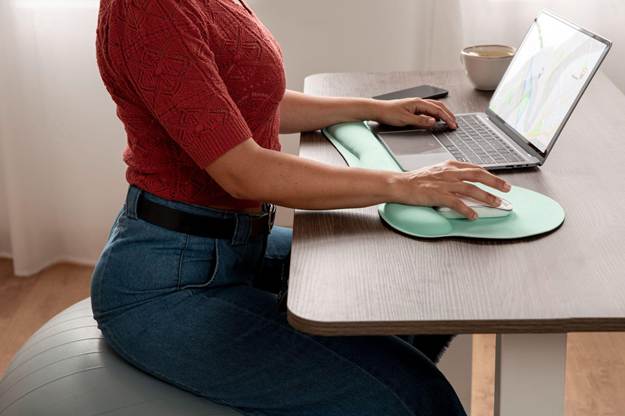
Most people assume their workspace is set up just fine, but it’s often the small, unnoticed habits that lead to discomfort. A chair that’s too high or too low can force your shoulders to hunch or leave your legs unsupported. A monitor that sits below eye level encourages a downward tilt of the neck, putting strain on your upper spine. Without proper lumbar support, your lower back ends up doing extra work to keep you upright.
Even routine actions like stretching for the mouse or typing with bent wrists can create long-term tension. One of the most common slip-ups is forgetting to take posture breaks throughout the day, something that’s easy to overlook until the aches set in. When it comes to office ergonomics, these little details make a big difference.
Easy Ergonomic Fixes That Make a Big Difference
Improving your office ergonomics doesn’t require a complete workspace makeover. Minor adjustments can go a long way in supporting your posture and comfort. Start with the basics: keep your feet flat on the floor, elbows bent at 90 degrees, and your screen positioned at or just below eye level.
Tools like monitor arms, standing desks, and adjustable chairs can offer added flexibility, especially for those switching between sitting and standing. If you’re working from home, simple solutions, such as cushions for back support, laptop risers, or external keyboards, can help replicate a more ergonomic setup.
Incorporating short movement breaks, including shoulder rolls, neck stretches, or Pomodoro-style intervals, helps keep your body energised and circulation steady throughout the day.
Why Ergonomics Alone Isn’t Enough to Keep You Protected
Even with perfect posture and the best ergonomic setup, things can still go wrong. A misstep while reaching for a file, a repetitive strain injury, or a sudden medical issue during the workday can throw your routine off course. That’s where financial protection becomes just as important as physical prevention.
While improved office ergonomics can reduce everyday strain, they cannot prevent every incident. Personal accident insurance helps ease the financial burden of medical bills and recovery costs in the event of an unexpected accident.
For those looking for more comprehensive support, private accident plans may include benefits like income replacement or access to specialist care. Together, they form a practical safety net; one that supports your well-being both at work and beyond.
Taking a Balanced Approach to Health and Protection
Practising good office ergonomics can significantly reduce the physical toll of desk work. But long-term well-being is not just about posture and equipment. It also means being prepared for life’s uncertainties. By pairing healthy work habits with suitable insurance cover, you’re taking a balanced approach to both physical comfort and financial security.
Ready to make your well-being a priority? Speak with an Income advisor to explore a protection plan that supports your lifestyle and working needs.





-
5 Signs Your Business Has Outgrown DIY Bookkeeping (And What to Do Next)
Most small business owners start out managing their own books out of ... -
-
-
-