Multi-Asset Trading in India: How to Diversify Beyond Stocks with Trade246
Many Indian traders begin and end their journey with NSE equities. That is a sensible start, but relying on one market means your results depend on one set of conditions. Multi-asset trading spreads that exposure across different markets, and platforms like Trade246 are built around that idea.
What Is Multi-Asset Trading?
Multi-asset trading means buying and selling several asset classes from one account. Instead of juggling separate apps, you can watch equities, derivatives, currencies, commodities and crypto side by side. According to its website, Trade246 offers NSE stocks, NFO futures and options, Forex, commodities, crypto, US stocks and global indices from a single login.
Why Diversification Matters
Different markets react to different forces. Indian equities respond to domestic earnings and policy, gold often reacts to global uncertainty, and currency pairs move with interest rates and economic data. When one segment is quiet or falling, another may offer opportunities. Diversification does not remove risk, but it can stop one bad market from dominating your portfolio.
Trading Hours Create Flexibility
Indian equity markets run for set hours, while Forex trades around the clock on weekdays and crypto trades continuously. A multi-asset platform lets you match your market to your schedule. Anyone with a day job can look at global markets in the evening instead of rushing during office hours. Checking the market hours page on the Trade246 site helps you plan around each session.
Start with a Demo Account
Before committing real money to an unfamiliar market, practise first. A demo account lets you test strategies, learn how order types work and get comfortable with charts without risking capital. This matters most when you move into leveraged products such as Forex or derivatives, where mistakes cost more.
Use Calculators to Plan Every Trade
Good traders decide their risk before they enter. The Trade246 site includes calculators for brokerage, intraday trades, Forex profit, pip value and margin. Using them helps you answer key questions in advance:
- How much could I lose if this trade goes against me?
- What margin will this position require?
- Do brokerage and other charges eat into my expected profit?
Treat the results as estimates, since real charges depend on your account and prevailing rates.
Read Charts and Analysis
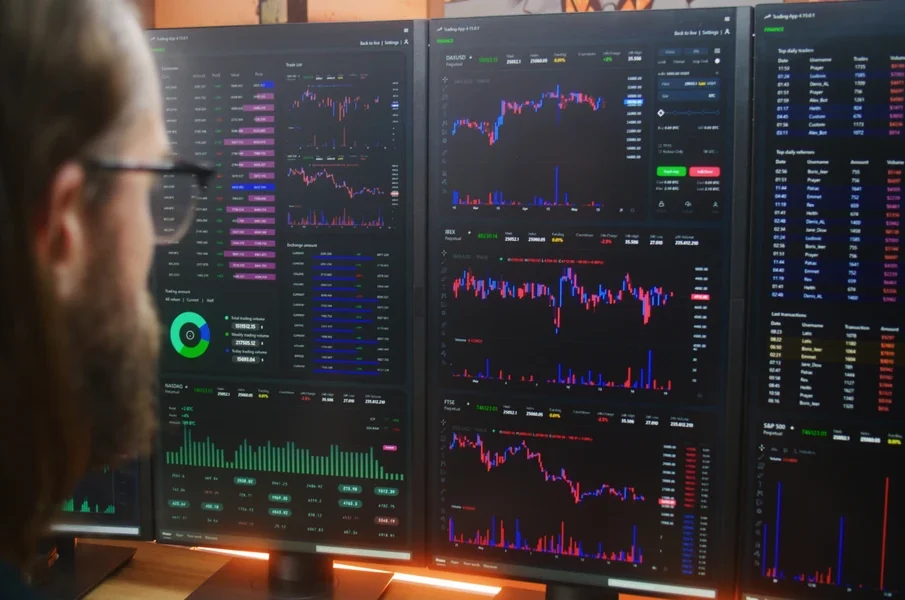
Price action tells part of the story. The platform offers TradingView-style charts with a wide range of indicators and drawing tools, which help you spot trends, support and resistance levels. Pair technical analysis with market news so you understand why prices are moving, not just where they are.
Check Safety and Compliance First
Before depositing funds on any platform, do your own homework. Review the KYC process, security features such as two-factor authentication, the terms and conditions and the risk disclosure. Also check how each market you plan to trade is treated under Indian rules, because that varies by asset class. The Trade246 site has a dedicated safety page, but verify details yourself and seek independent advice if you are unsure.
A Simple Starting Plan
- Open a demo account and explore every market segment.
- Pick one or two segments that suit your schedule.
- Define your risk per trade before entering.
- Use calculators to confirm margin and costs.
- Start small with real capital, then scale gradually.
Final Thoughts
Diversifying across markets gives you more ways to find opportunities and manage risk, provided you learn each market properly first. With a demo account, planning tools and one place to track everything, Trade246 gives Indian traders a practical way to explore multi-asset trading.

Leave a reply


-
Multi-Asset Trading in India: How to Diversify Beyond Stocks with Trade246
Many Indian traders begin and end their journey with NSE equities. That ... -
-
-
-